The world around us
2026 International Year of the Woman Farmer: what it means
The UN’s International Year of the Woman Farmer highlights women’s roles across food systems. This neutral explainer separates the campaign’s goals from outcomes and answers common questions.
World news explainer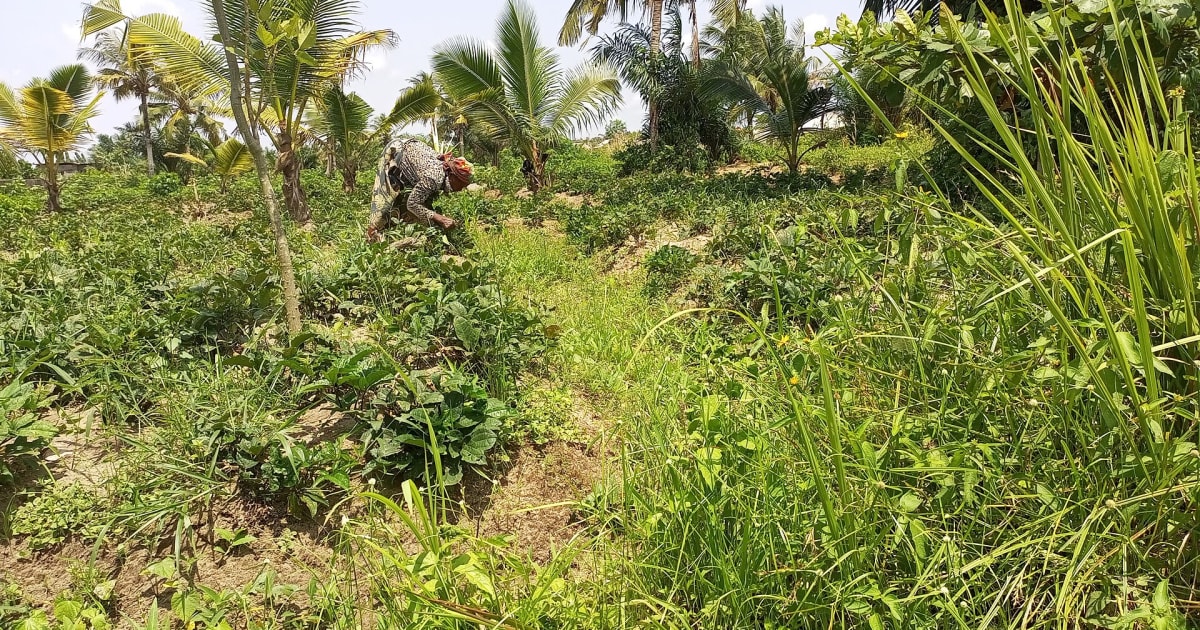
In this article
The short answer
The United Nations designated 2026 the International Year of the Woman Farmer. Coordinated by the Food and Agriculture Organization with partner UN agencies, the observance highlights women’s work across food systems and the barriers that can limit their opportunities. It is an international awareness and policy initiative, not a single grant program. FAO’s official campaign page is the starting point for current activities.
What the international year is about


FAO’s December 5, 2025 launch announcement says the initiative was designated by the UN General Assembly in 2024. The launch took place in December 2025, ahead of the 2026 observance. The distinction helps separate the date an initiative begins from the year in its name.
The stated focus includes access to land, finance, technology, education, and participation in decisions. These are categories of challenges identified by FAO, not a claim that all women farmers face identical conditions. Agricultural work and the rules around it vary between countries and communities.
Who counts as a woman farmer?

The campaign uses a broad definition. FAO includes women working in areas such as food production, processing, distribution, trade, agricultural science, and related rural enterprises. Land ownership is not a requirement in that description.
That matters when reading headlines. A photograph of someone cultivating a field shows one part of a much larger system. Work at a market, in food processing, in research, or within a cooperative may also belong in the discussion. Looking beyond a single familiar image gives readers a more complete question to ask: which kinds of work are being recognized, and whose contributions are still missing from the account?
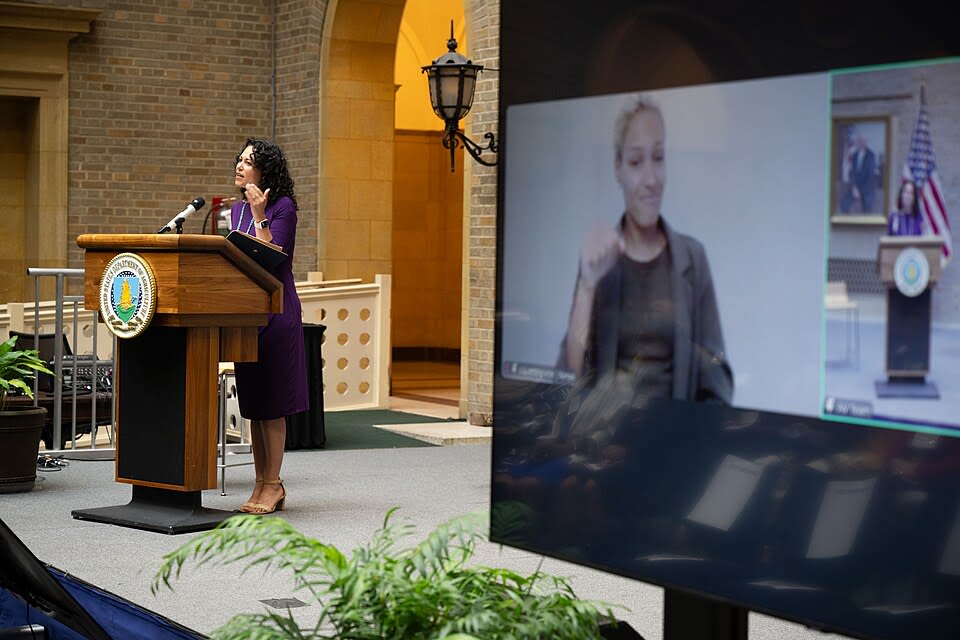
The photographs in this article are dated archive images from Nigeria and the United States. They illustrate different agricultural settings and an earlier campaign event; they are not photographs of a new October 2026 announcement.
Recognition and measurable change are different


An international observance can draw attention to an issue, but its name alone is not evidence that a particular law, service, or working condition has changed. Readers can distinguish a stated objective from a completed outcome by looking for specific actions, dates, and supporting evidence.
Useful questions include: which organization is responsible for an announced activity? Is a proposal already funded or still being discussed? Does a claim describe a national program or a single local project? What would count as evidence that women affected by the work consider it useful?
Those questions are practical reading habits, not an assessment of every activity associated with the year. They can help readers follow the topic without treating either an optimistic announcement or a critical headline as the complete story.
Following the story from your own community
A conversation about food systems does not have to begin with expertise. You can ask local producers about their work, read the information they choose to share, or learn how a food cooperative operates. Avoid assuming that one farmer’s experience represents all women in agriculture.
For readers who work in farming, food businesses, or rural communities, first-hand experience can add valuable context. When sharing it publicly, make clear where your experience ends and where a broader claim would need additional evidence.
Questions readers ask
Why is 2026 called the International Year of the Woman Farmer?
It is the year selected by the UN to highlight women’s roles in agrifood systems and encourage action on inequalities identified by the campaign.
Does the designation provide a grant to every woman farmer?
No universal payment or entitlement is created merely by the observance’s name. Check any specific opportunity against the organization offering it and its published terms.
Where can I find official activities?
Use FAO’s campaign page and the organizations it links to. This article does not advertise a particular award, funding deadline, or application service.
Continue the conversation
What would you like to understand better about the people who grow, process, and sell your food? Join the conversation below or visit The gathering. Create an account to share your perspective. This World section separates factual reporting and reader questions from the faith reflections in our other sections.
Sources and photograph credits
Sources checked October 18, 2026: FAO’s official 2026 campaign and FAO’s December 2025 launch announcement. Walking Barefoot to Eden is not affiliated with FAO or the United Nations.
Banner: Woman farmer in Badagry, Nigeria (2023), Macdanpets / CC BY-SA 4.0. Cropped adaptation under the same license. Original photograph · CC BY-SA 4.0

Inline photograph 1: Archive: Tamara and Jerry Renick, Florida (2021). Preston Keres / USDA; public domain. Resized and cropped. Original photograph · Public domain
Inline photograph 2: Archive: USDA campaign launch event, Washington, 2024. Christophe Paul / USDA; public domain. Resized and cropped. Original photograph · Public domain
Inline photograph 3: Archive: Badagry, Nigeria (2023). Macdanpets / CC BY-SA 4.0; cropped adaptation under the same license. Original photograph · CC BY-SA 4.0
Photo adaptations retain the stated licenses. Credits identify the photographers; no endorsement by the people pictured is implied.
A space to reflect.
Bring curiosity, kindness, and room for one another. Community guidelines
In conversation (0)
Sign in to vote, reply or share a picture.