Holding the hard
Afghan girls’ education: what UNESCO’s 2026 update tells us
UNESCO’s August 2026 update estimates that 2.4 million girls remain excluded from secondary education in Afghanistan. We explain the source, what it means, and a compassionate Christian response.
News context & Christian reflection
In this article
The short answer
In its August 2026 update, UNESCO estimated that 2.4 million Afghan girls remained excluded from secondary education. Its statement calls for restoring access to education beyond primary school. This is a source-based explainer of that update, followed by a clearly identified Christian reflection—not reporting from inside Afghanistan. Read UNESCO’s statement.
What UNESCO reported

UNESCO’s statement, published August 11 and updated August 19, describes Afghanistan as the only country formally prohibiting girls’ and women’s education beyond primary level. It contrasts the restrictions with earlier gains in girls’ schooling. The estimate is attributed to UNESCO and reflects its 2026 reporting; it is not an independently counted total by this publication.
A number can describe the scale of a crisis while still leaving out almost everything about an individual life. Behind an interrupted school year is a person with her own interests, relationships, ambitions, and decisions. Keeping that humanity in view is part of reading difficult news responsibly.
Learning efforts do not replace the right to school


In a separate August 14 account of its education work, UNESCO describes community-based literacy and skills programs. These offer ways for learning to continue under severe restrictions. They are not the same as restoring unrestricted access to secondary school and university.
We should resist two easy but misleading stories: that nothing can be done, or that a small success means the wider problem is solved. It is possible to recognize the persistence of women who continue learning while remaining honest about the opportunities they are being denied.
A Christian reflection on women’s dignity


Christian reflection: when we pray for women whose circumstances we cannot change ourselves, we can begin by refusing to make them invisible. Grief is not a failure of faith. Neither is admitting that we do not have a quick explanation for suffering.
Compassion also asks something of the way we speak. The actions of those enforcing restrictions should not become an excuse to demean an entire people, a religion, or the Afghan women whose lives we are discussing. We can stand firmly for education without replacing one form of disrespect with another.
A thoughtful response might be to learn more from reliable reporting, pray with a trusted group, or examine the work of an established education organization before choosing whether to support it. Those are invitations to discernment, not promises that a particular action will resolve the crisis.
How to discuss this story with care
Keep the source and date attached to statistics when sharing them. Avoid circulating a dramatic claim simply because it feels urgent. If a story invites you to share identifiable details about a vulnerable girl, pause and consider whether her privacy and wishes have been respected.
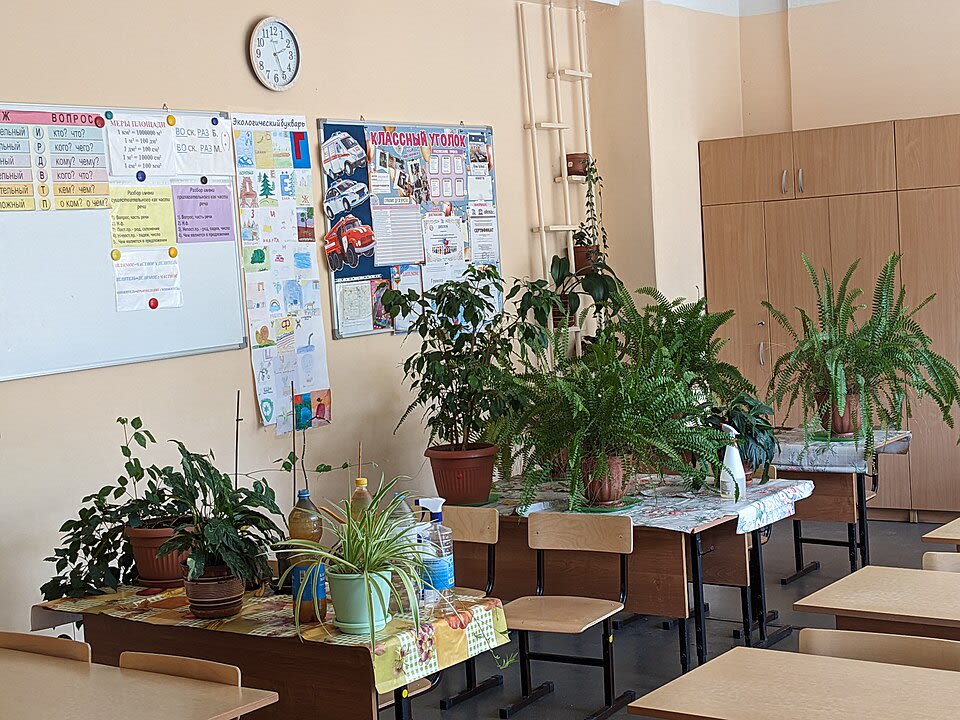
The photographs here are illustrative images of learning spaces outside Afghanistan, with locations or source details in their captions. They do not show the girls counted in UNESCO’s estimate or document the present condition of Afghan schools.
Questions readers ask
How many girls are affected?
UNESCO’s August 2026 statement gives an estimate of 2.4 million girls excluded from secondary education. That figure should be quoted with its source and time period.
Are literacy projects a replacement for formal education?
No. Continuing literacy and skills opportunities can matter, but UNESCO continues to call for restoring the right to formal education.
Is this a new announcement from October 2026?
No. This article explains UNESCO’s August reporting and was published on Walking Barefoot to Eden in October. Its publication date should not be mistaken for the date of the original announcement.
A place to reflect together
If this story leaves you grieving, bring a thoughtful response to the conversation below or our Prayer & encouragement circle. Join the gathering to take part. Please keep personal details about vulnerable people out of public comments.
Sources and photograph credits
Sources checked October 18, 2026: UNESCO statement, August 11, updated August 19 and UNESCO learning-program account, August 14, updated August 19. Reflection is Walking Barefoot to Eden’s editorial perspective. This publication is not affiliated with UNESCO.
Banner: Illustrative classroom in Russia (2023), AKA MBG / CC0. Not an Afghan school. Cropped. Original photograph · CC0

Inline photograph 1: Illustrative classroom, Russia (2023), not Afghanistan. AKA MBG / CC0. Resized and cropped. Original photograph · CC0
Inline photograph 2: Illustrative library in Baltimore (2013), not Afghanistan. Matthew Petroff / CC BY-SA 3.0; cropped adaptation under the same license. Original photograph · CC BY-SA 3.0
Inline photograph 3: Illustrative classroom (2023), not a documented Afghan school. Muzammil / CC BY-SA 4.0; cropped adaptation under the same license. Original photograph · CC BY-SA 4.0
Photo adaptations retain the stated licenses. Credits identify the photographers; no endorsement by the people pictured is implied.
A space to reflect.
Bring curiosity, kindness, and room for one another. Community guidelines
In conversation (0)
Sign in to vote, reply or share a picture.